
THE SONGS THAT OUTLIVE US: MIGHTY SPARROW AND THE BUSINESS OF PRESERVING A MUSICAL LEGACY
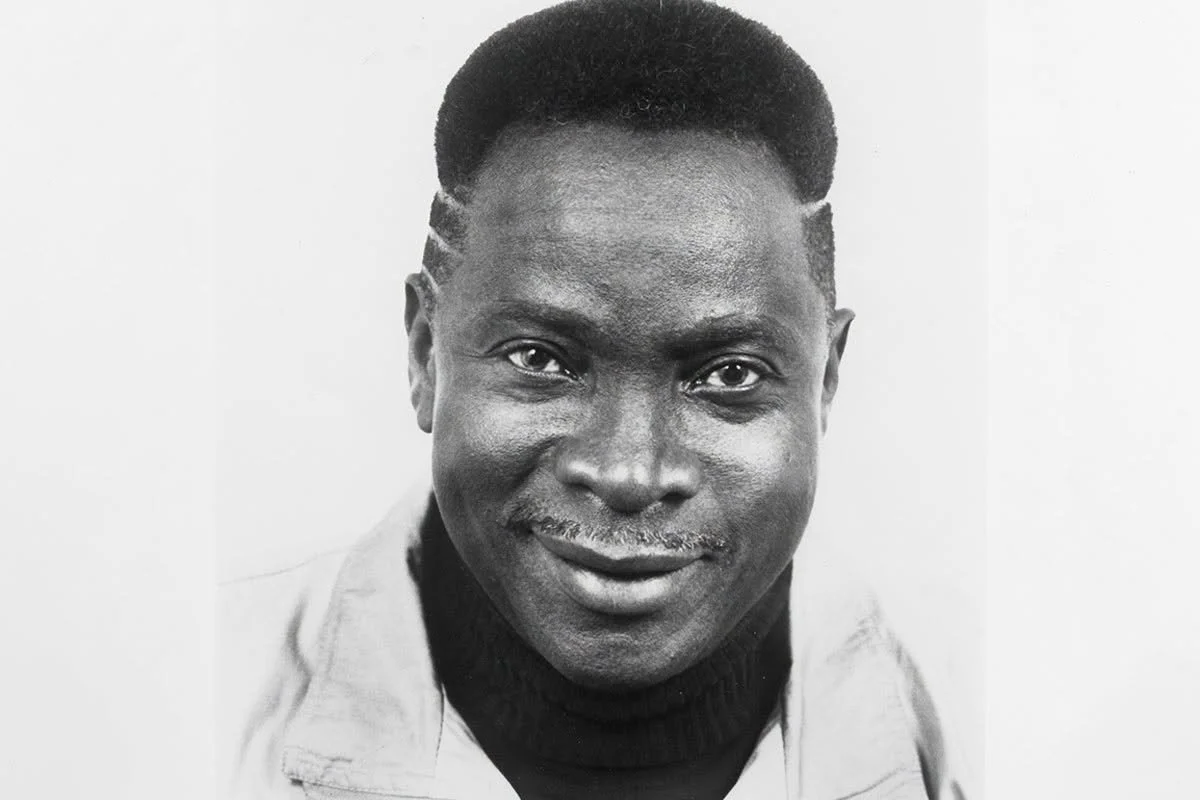
The Mighty Sparrow
For generations of Caribbean people, The Mighty Sparrow was a chronicler, a provocateur, a storyteller and, at times, an uncomfortable mirror that reflected our pleasures and our pain back to us.
His songs captured the rhythms, contradictions and politics of Caribbean life so vividly that many became part of the region’s collective memory.
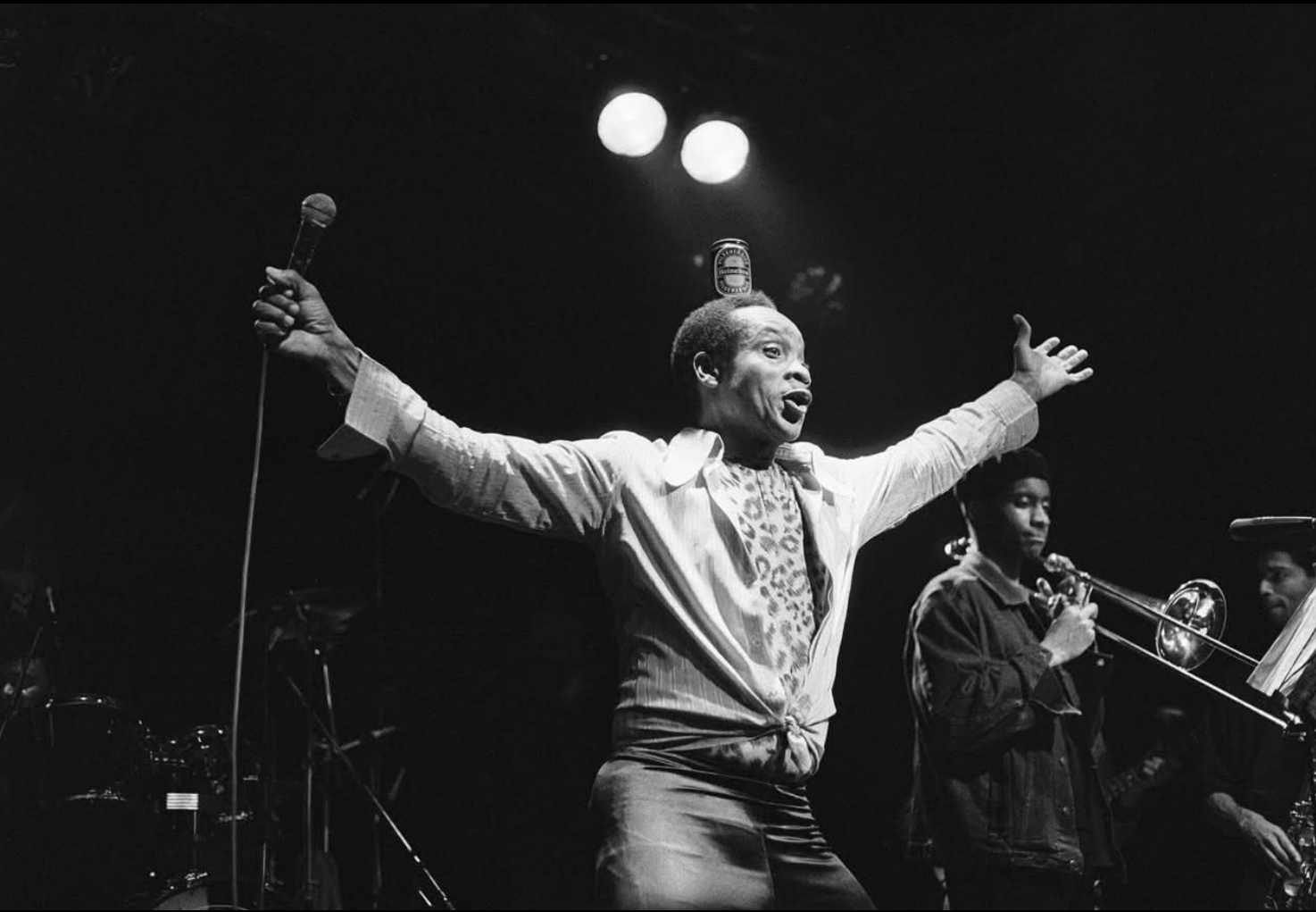
THE MIGHTY Sparrow spent a lifetime documenting Trinidad
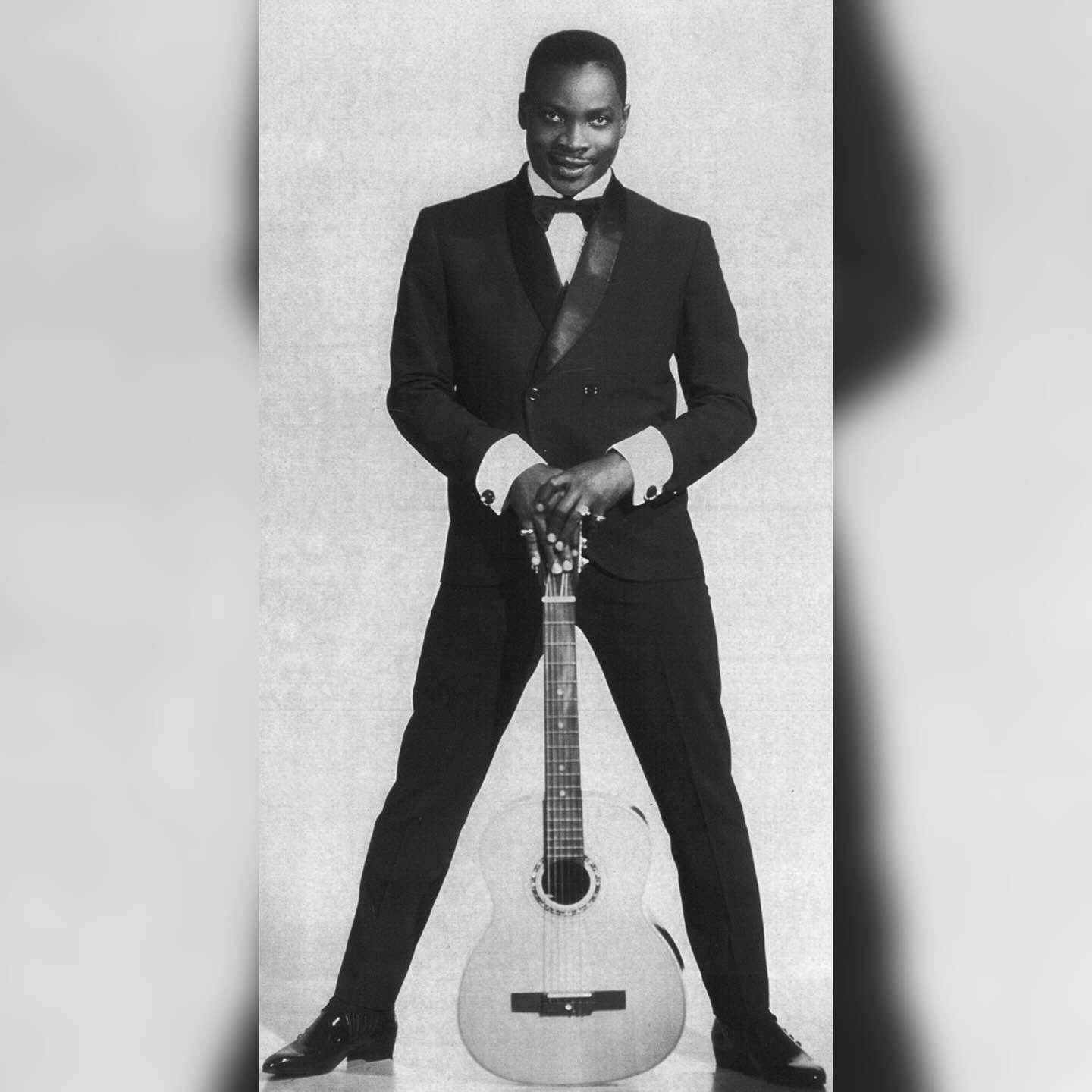
His musical legacy lives in what our culture remembers, but preserving that legacy requires more than memory. It requires a clear trail of ownership, authorship and the work itself to remain traceable long after the artist is gone.
Sparrow’s passing asks something of the Caribbean music industry: that we preserve not only his memory, but the work he leaves behind, while considering what happens to the catalogues of the Calypsonians who came before him and those who will follow.
That question of legacy, and who gets to carry it forward, has surfaced across other forms of Caribbean storytelling, including the film Bomber’s Dream, produced and directed by Jesse Ryan, grandson of the Mighty Bomber.
Together, these stories point to a larger challenge for Caribbean culture: we have become very good at celebrating our musical elders, but far less consistent about building the systems that allow their contributions to be properly documented, protected and carried forward.
Keeping the Music Alive
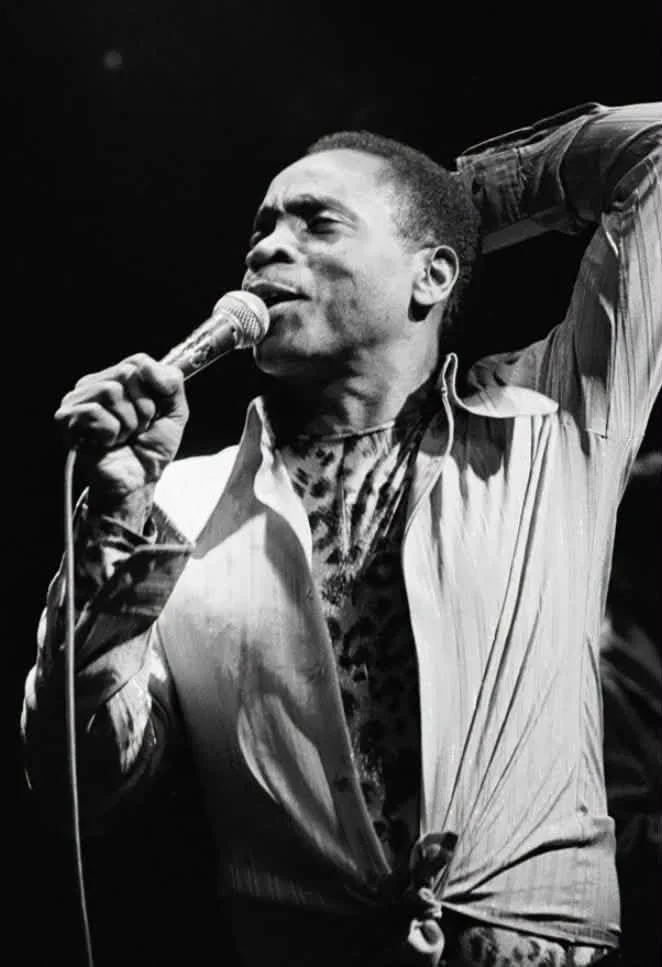
For more than seven decades, Slinger Francisco, the Mighty Sparrow, turned the life of the Caribbean into a soundtrack, and the Caribbean was able to sing it back to him word for word.
Often enough, we confuse a song surviving in the culture with the work behind it being properly preserved.
One happens on its own, at fetes, tents, taxis and in the mouths of people who were not yet even born when the record itself came out.
The other takes digital records, proper registrations, and someone who knows where the files are and how to access them.
The Cultural Archive Sparrow Leaves Behind
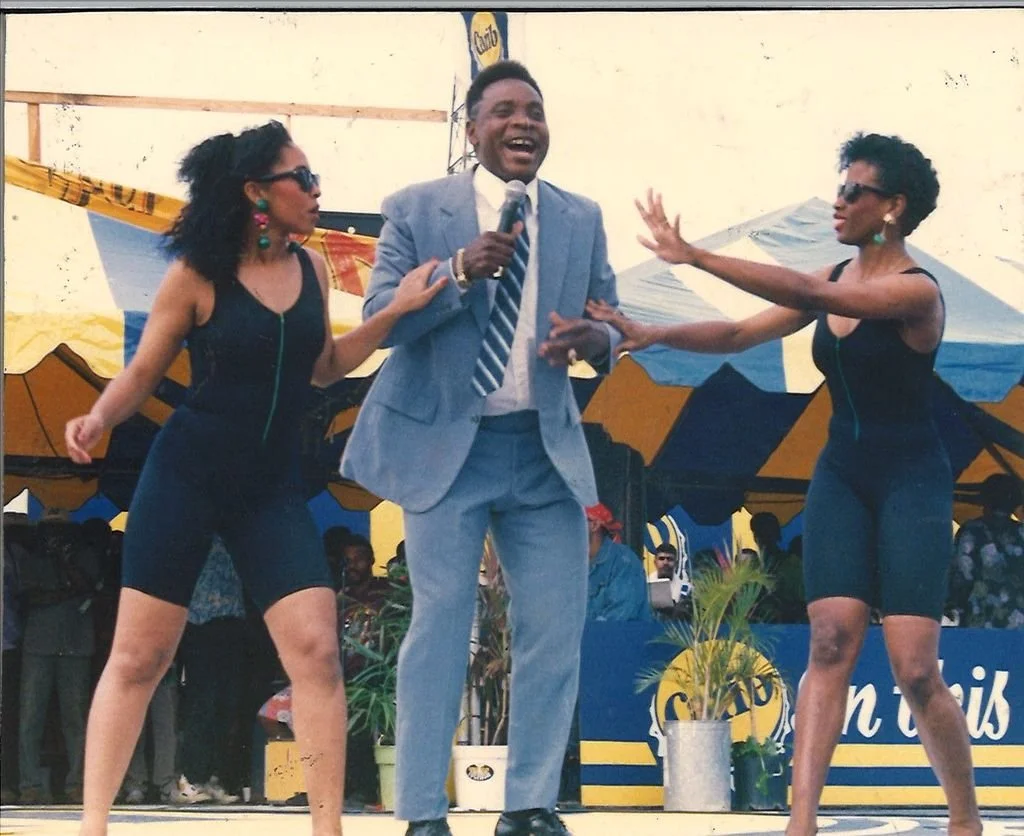
It is easy to remember Sparrow as a voice: the showmanship, the wit, the crown he wore so many times at Carnival. But he was also a songwriter and composer, and his catalogue spans decades of authored work.
Publicly available release metadata credits him as composer and lists Railroad Town Music and Zalytron Music as publishers across a substantial body of that catalogue. That detail is easy to skim past, yet such an important one because it changes what the word legacy really means.
We tend to measure legacy in things we can see and brag about: the awards, the photographs, the Carnival memories, the documentaries, the statues, the tributes.
While all of this matters, there is a quieter version of legacy that lives in copyright, publishing splits, master recordings, metadata, licensing deals and royalty accounts.
Tributes keep a legacy visible, though documentation is what helps ensure the people who created that legacy continue to receive the credit and royalties attached to it.
What We Remember Isn’t Always What We Own
Older Sparrow recordings have been reissued decades after their first release. Some have been digitally restored. In some cases the original master tapes reportedly could not be located, and restorers worked from vinyl instead.
Music from one of the great songwriters of the Caribbean, rebuilt from the grooves of a record because the source material was gone. The songs survived, imperfectly, thanks to the care of people who loved them.
If the audio can go missing, the business information goes faster. Contracts get misplaced, publishers change hands, and titles get renamed or reissued under variations. Collaborators pass away, and heirs don't always know what exists, let alone where to look.
Picture our very own beloved Calypsonians with forty years of songs and no single place that tells you:
who wrote what
who owns which percentage
who the publisher is
which performing rights organisations hold registrations
which ISRC codes belong to which recordings
who owns the masters
who produced each track
what has been licensed, to whom, and when
what agreements were signed
which alternate titles and versions exist
who the heirs are
where the royalty accounts sit
The song can remain famous while its ownership becomes increasingly difficult to trace. Every missing contract, registration or royalty record creates another gap in the chain of ownership, and another opportunity for money and credit to disappear.
Our Work of Preservation Continues
Sparrow's generation built catalogues that became part of the Caribbean's cultural inheritance. The responsibility now is to make sure those catalogues remain intelligible, accessible and properly administered for the people who inherit them.
That applies well beyond Calypso. It is a question for soca artists and chutney artists, reggae artists and producers, songwriters and steelband composers, independent labels and the small teams running them.
Anyone whose music is their life's work should be able to answer a plain question: if they were no longer here to answer it, would someone else know where the rights are?
For too many Caribbean artists, there is no clear answer.

Documenting The Documentarian
Sparrow's songs covered politics, money, marriage, sex, religion, culture and what it meant to be Caribbean. The Trinidad Guardian has described his work as entertaining, provocative, challenging and educational across generations. He made a habit of writing down the world around him, and he did it so well that the world remembered.
To preserve Sparrow is not to reduce his legacy to paperwork. It is to recognize that the songs he gave us carry both cultural memory and rights that continue beyond his lifetime.
That is what preservation looks like in practice: the credit is traceable, the royalties have somewhere to go, and the next generation can find the agreements, registrations and recordings that prove what belongs to whom.
For an artist whose life's work helped define how the Caribbean sounds, The Mighty Sparrow’s catalogue is part of the legacy too.